


24-Hour Lock Replacement: Your Guide to Emergency and After-Hours Lock Services
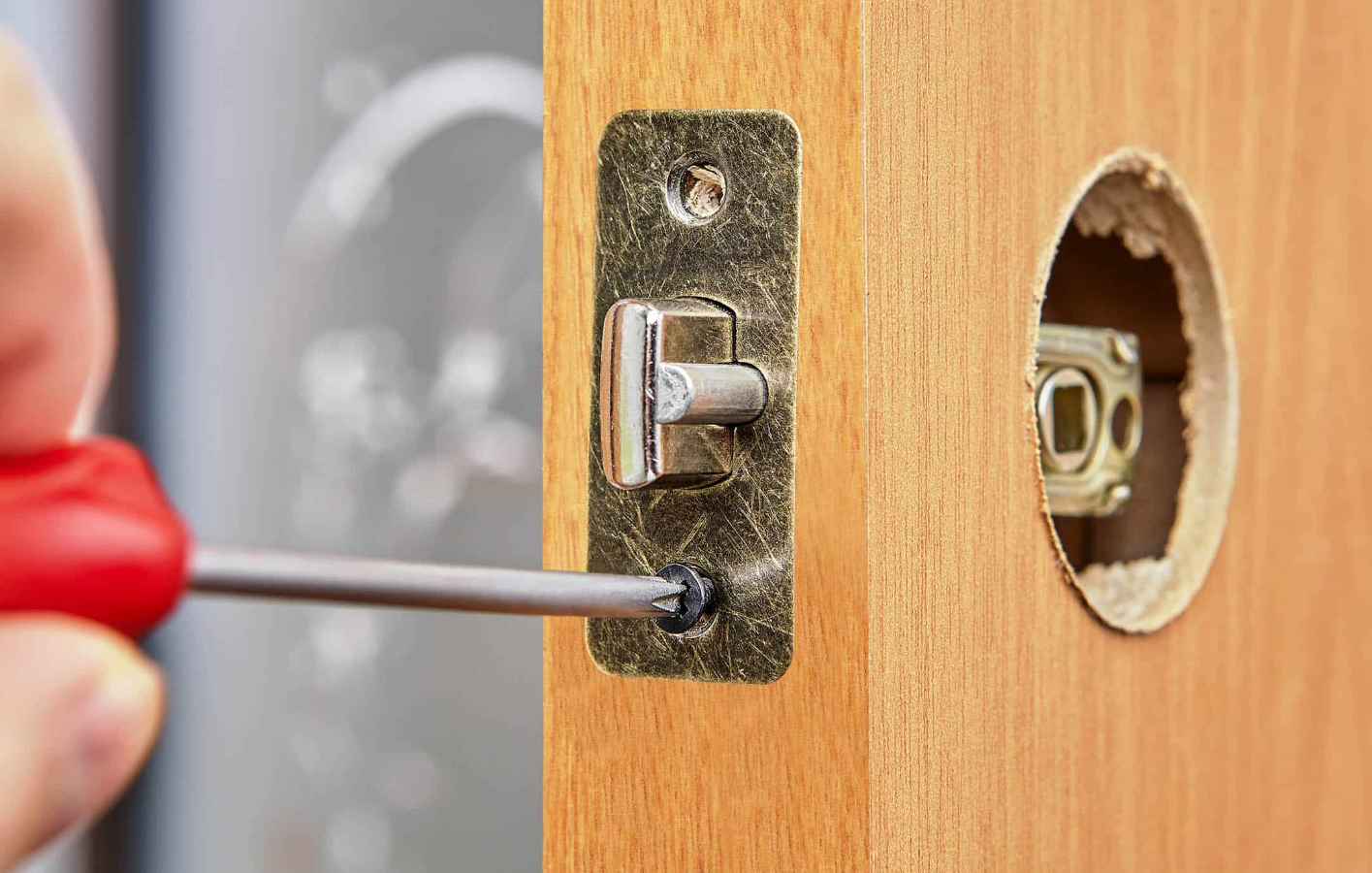
A 24-hour lock replacement locksmith provides urgent, round-the-clock help to restore secure access after lost keys, break-ins or mechanical failure. Emergency teams can quickly replace or rekey cylinders, deadbolts, mortise locks and increasingly smart lock modules so homeowners, businesses and vehicle owners can get back inside safely and reduce the risk of unauthorised entry. This guide covers when you need immediate lock replacement, which lock types locksmiths commonly handle after hours, how a typical emergency visit works, and the main cost drivers and security upgrades to consider. You’ll also find practical checklists for choosing a reliable 24/7 locksmith and clear next steps after an incident. Throughout, we use search-friendly terms like emergency lock replacement, 24/7 locksmith lock replacement and mobile locksmith for lock damage to help you act fast and find local help.
Lost Key Locksmiths, a Sydney-based example of this service model, advertises 24/7 emergency assistance, operates mobile service units, lists a $0 call-out fee in some listings and shows a 5-star Google rating. These are the sorts of things to look out for when you're checking out local emergency providers. We’ll use those factual traits sparingly as practical examples in the sections below.
Why Is 24-Hour Lock Replacement Important for Your Security?
Replacing a compromised lock straight away restores a real physical barrier and removes the immediate opportunity for unauthorised entry. When keys go missing or a lock is forced, the cylinder, deadbolt or mortise hardware can be unreliable. Rekeying or swapping the lock removes known vulnerabilities and stops further misuse. Fast replacement also helps preserve evidence after a break-in and supports insurance claims by showing you acted promptly. Knowing when to act and why speed matters is the first step to effective incident response and better long-term security planning.
What Emergency Situations Require Immediate Lock Replacement?

Immediate replacement is warranted when there’s a real chance someone else could use the compromised access. Common scenarios include lost or stolen keys, forced entry with visible damage to the lock or frame, a broken key stuck in the cylinder that prevents secure closure, and confirmed master-key compromises in multi-tenant or commercial buildings. In each situation, swapping the cylinder or the whole lockset removes the immediate path for unauthorised access and lets the owner control who has working keys. Locksmiths assess the scene and recommend whether rekeying or a full replacement is the safer option. This recommendation then guides the next steps for getting your security back on track.
How Does 24/7 Locksmith Service Provide Peace of Mind and Rapid Response?
A reliable 24/7 locksmith blends fast dispatch, mobile capability and an on-site diagnosis to shorten exposure time and restore secure access quickly. Mobile locksmiths usually carry a core stock of cylinders, deadbolts, smart modules and hand tools so many jobs can be completed on the same visit. Identity checks and paperwork protect both the locksmith and the property owner, while clear arrival windows and itemised estimates reduce stress in out-of-hours situations. Expect a short triage call, an arrival window, a quick assessment and a recommended fix. All of this is designed to give you certainty and control when time is tight.
- Mobile van inventory typically includes common deadbolt cylinders, standard euro-profile cylinders, mortise components, a selection of strike plates and compatible smart lock modules.
- Standard response steps: phone triage, locksmith dispatch, on-site verification, immediate repair/replacement if parts are available, and documentation of the work.
- How you can speed response: have ID/proof of ownership ready, clear safe access to the door, and describe the lock type and visible damage when calling.
These practical expectations lead into the next section, which explains the lock types a 24-hour locksmith can replace and how complexity affects the emergency response.
What Types of Locks Can Be Replaced by a 24-Hour Locksmith?
Emergency-capable locksmiths handle a broad mix of mechanical and electronic locks, choosing the intervention based on the lock’s construction, security rating and fit with the door hardware. Locksmiths can replace common residential deadbolts, cylinder locks and knob/lever sets; commercial mortise locks and panic hardware; and basic smart lock modules that can be swapped or temporarily bypassed. Part availability, complexity and any door modification needed determine whether a same-visit replacement is possible or a follow-up appointment is required. Knowing typical replacement times and security implications for each lock type helps set realistic expectations during an emergency call.
Note: the short comparison below focuses on typical emergency replacement scenarios rather than full installation details.
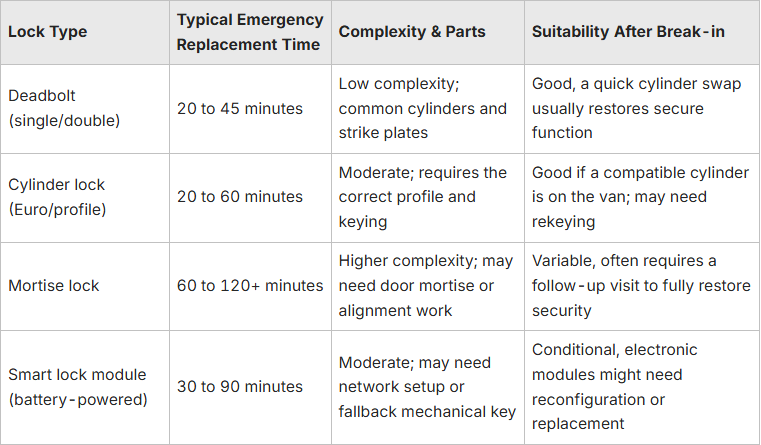
Simple mechanical locks are the most likely to be fixed on the first visit, while mortise systems and some electronic devices sometimes need extra parts or a scheduled return. The next section maps the emergency workflow so you know what to expect from the initial call through to handover.
How Do Deadbolts, Cylinder Locks, and Mortise Locks Differ in Replacement Needs?
Deadbolts are usually the quickest emergency replacement. Their modular cylinders and strike plates allow for fast swaps without major door work. Cylinder locks vary by profile and security grade. Common profiles are easy to replace from a mobile van, but unusual or high-security cylinders need special parts or rekeying to match existing keys. Mortise locks are built into the door and often require specialised parts and careful alignment, so emergency replacement can take longer and sometimes needs follow-up. Knowing these mechanical differences helps you give useful detail during triage and speeds the decision on the right remedial action.
What Are the Benefits of Smart Lock Installation and Replacement?
Smart locks add remote access, entry logs and keyless convenience, and they let you revoke virtual keys or review access events after an incident. But smart modules rely on batteries and network connections and must be compatible with existing hardware. These are factors that can complicate an out-of-hours swap. In emergencies, locksmiths commonly recommend a temporary mechanical solution (for example, a cylinder replacement) if a smart module can’t be reliably set up on-site; once immediate security is restored, you can schedule a full smart lock installation for remote management and auditability. The right balance is convenience plus dependable fail-safes.
How Does the 24-Hour Lock Replacement Process Work?
The 24-hour lock replacement workflow is designed to verify ownership, remove immediate security risks and hand over a tested locking solution. Typical steps are: initial call intake and triage, identity and property verification, locksmith dispatch with an arrival window, on-site diagnosis and recommendation (rekey vs replace), agreed remediation, testing of the new lock and issuing keys and paperwork. Each stage includes customer touchpoints that affect timing. Giving clear information on the first call and being ready to show ID will definitely speed things up. Clear process steps help you stay calm and get resolved faster when minutes matter.
Below is a compact process map showing responsibilities and expected timeframes for each stage.
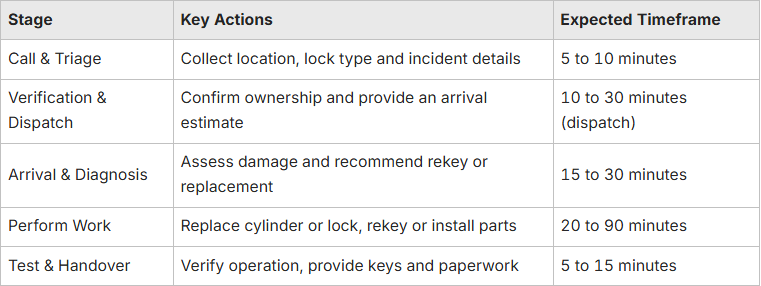
This table shows where time is spent and where you can help speed resolution. The list below summarises practical steps to prepare for emergency service.
- Prepare ID or proof of ownership: Have a government ID and a recent bill or lease ready to confirm property control.
- Clear access to the affected door: Remove obstructions and ensure pathways are lit and safe for the locksmith.
- Describe the lock and incident clearly: Share make/model details if known to help the dispatcher send the right parts.
- Ask for an itemised estimate: Request a simple breakdown of call-out, labour and parts before work begins.
What Are the Step-by-Step Actions from Emergency Call to Lock Installation?
On an emergency call, the dispatcher will gather key facts, like your location, the issue, the lock type, who's there, and whether anyone is locked out. This helps them work out how urgent it is and send the right locksmith. After dispatch, the mobile locksmith gives an arrival window and explains what ID or proof of ownership they need. On arrival the locksmith makes a brief assessment and outlines options: a cylinder swap, full lockset replacement or rekeying; the choice depends on damage, parts availability and your security needs. After the agreed work is done, the locksmith tests the hardware, hands over keys and paperwork, and recommends any follow-up or upgrades.
What Should You Expect During Mobile Lock Replacement and After-Hours Service?
Mobile locksmiths carry a curated selection of parts, including popular cylinder profiles, deadbolts, strike plates, standard mortise parts and common smart modules. This means many repairs can be finished on the first visit. After-hours limits can include unavailable specialty parts or supplier access, which may mean a temporary fix followed by a scheduled return during business hours. Locksmiths follow safety and verification protocols at night, including working in well-lit areas, asking for ID and providing receipts for service to protect both customers and staff. Knowing these constraints helps you accept staged repairs when needed while understanding how security will be restored immediately.
What Factors Affect the Cost of Emergency Lock Replacement?
Price depends on several variables: lock type and security grade, time of call (after-hours surcharges), parts required (standard vs high-security cylinders), labour complexity (door modifications or access control integration), and travel or mobile fees. Emergency work often costs more because of after-hours staffing and faster response expectations; specialty hardware such as restricted-key cylinders or electronic access parts increases parts costs. Ask for transparent quotes that separate call-out, labour and parts so you can compare offers and avoid surprises. Understanding these cost drivers helps you decide between a temporary emergency fix and a longer-term upgrade.
Note: the cost table below is illustrative of common factors rather than fixed prices.
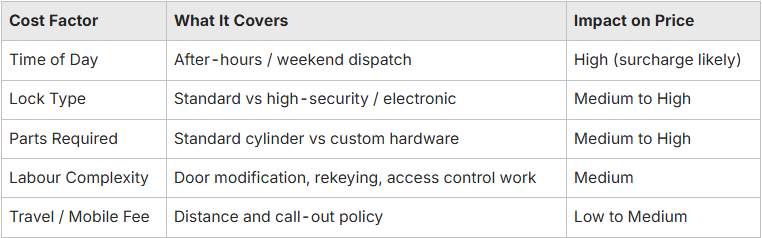
This breakdown clarifies where costs add up and which questions to ask when comparing emergency quotes. The checklist below suggests transparency questions to raise on the call.
- Ask for an itemised estimate before work starts and confirm whether any advertised call-out fee applies to emergency visits.
- Confirm whether labour includes testing and keying, and whether parts and workmanship carry a warranty.
- Ask if a temporary fix is possible and what follow-up costs to expect for a permanent solution.
A clear, itemised quote helps you weigh a fast temporary fix against a planned upgrade and reduces the chance of price surprises.
How Do Lock Type, Time of Day, and Complexity Influence Pricing?
Lock complexity drives cost. Basic deadbolt cylinder swaps are quicker and cheaper than full mortise replacements or electronic access integrations that need programming and door work. Time of call matters because after-hours and emergency call-outs usually carry surcharges to cover unsocial hours and rapid response; those premiums can be significant compared with daytime rates. Additional complexity, like damaged frames, custom-keyed systems, or integration with master-keyed access control, increases labour time and the need for specialty parts, which raises the final bill. Knowing these links helps homeowners and managers choose the most cost-effective remediation.
Why Is Transparent Pricing Important When Choosing a 24/7 Locksmith?
Transparent pricing protects you from hidden fees and makes it easier to compare providers during a stressful emergency. A clear quote should list call-out fees, estimated labour time, parts costs and any emergency surcharges, and locksmiths should explain follow-up work that could change the final price. Be wary of vague estimates, reluctance to itemise charges, or very low advertised call-out fees paired with high miscellaneous surcharges. Always insist on an itemised estimate and confirm whether advertised call-out policies (for example, a $0 call-out fee) apply to emergency situations to avoid surprise costs.
How to Choose a Reliable and Licensed 24-Hour Locksmith Service?
Pick a trustworthy 24-hour locksmith by verifying credentials, checking transparent pricing, reading recent local reviews and confirming mobile response capability. Look for valid licencing or registration where required, proof of insurance and professional ID on arrival. These things reduce liability and show they operate responsibly. Make sure the provider offers mobile service with published response windows, clear emergency pricing and parts/warranty policies. Recent, local reviews and ratings give extra context on reliability and service quality. Together, these trust signals form a practical checklist for emergency decisions.
Concrete trust signals to look for include mobile service capability, advertised $0 call-out fee policies (when applicable), and strong verified ratings; these are common features of reputable local listings. For example, Lost Key Locksmiths, described in listings as Sydney-based, advertises 24/7 emergency assistance, mobile service, a $0 call-out fee and a 5-star Google rating. This shows the mix of rapid availability and customer feedback to look for when organising urgent replacement and follow-up upgrades.
What Qualifications and Reviews Should You Look for in an Emergency Locksmith?
Choose providers who can show relevant licencing where required, valid insurance for property work and professional ID on-site to reduce legal and financial risk. Read reviews for how recent they are, the detail they provide, and how the business responds to complaints. Recent reviews that mention emergency response, clear pricing and courteous, professional locksmiths are especially helpful. Also confirm whether the locksmith offers warranties on parts and labour and whether they provide written receipts or job sheets that list serial numbers for replaced hardware. That mix of documentation and verified feedback creates a practical rubric for picking a reliable emergency locksmith.
How Do Response Time and Customer Ratings Impact Your Choice?
- Response time expectation: 20 to 60 minutes in urban areas for urgent lockout or break-in response.
- Ratings rubric: prioritise recent, detailed reviews that mention emergency repairs, clear pricing and professional conduct.
- Decision balance: favour providers that combine quick mobile response with verified credentials and transparent billing.
Using these criteria helps you make a practical emergency choice while limiting long-term security trade-offs.
How Can You Enhance Security Beyond Lock Replacement?
Lock replacement often fixes the immediate problem, but longer-term security improvements, such as high-security cylinders, smart access control, reinforced strike plates and security doors, reduce the chance of repeat incidents. After an emergency, consider a security audit to spot weak points like misaligned doors, worn hardware or poor lighting and prioritise upgrades that offer the best risk reduction. Integrating locks with access control or CCTV can improve monitoring and deterrence for commercial or high-value residential properties. A staged plan, including immediate replacement, short-term reinforcements and long-term upgrades, balances urgency with your budget and delivers stronger protection over time.
When Should You Upgrade to High-Security or Smart Locks After an Emergency?
Consider upgrades based on incident severity, property value, repeat targeting and operational needs for audit trails or central control. Forced entry, stolen master keys or repeated break-ins usually justify investing in high-security cylinders with anti-drill, anti-snap and restricted keying, or in smart locks that let you revoke virtual keys and review entry logs. For multi-tenant or commercial sites, master-key overhauls and access control integration often make sense to regain centralised control. But weigh reliability and fallback options: smart locks need power and connectivity, so ensure mechanical override or battery backups before relying entirely on electronic access.
What Additional Measures Prevent Future Lock Issues and Break-Ins?
A prioritised prevention plan reduces vulnerability and extends lock life. Immediate actions include rekeying after tenant turnover and replacing compromised cylinders; short-term steps are reinforcing strike plates, improving exterior lighting and trimming sight-line obstructions; long-term measures include installing security doors, CCTV and scheduling regular lock maintenance. Regular lubrication, checking door alignment and limiting unauthorised key duplication are practical tasks that prevent mechanical failure and reduce opportunities for forced entry. Combining physical reinforcement with environmental deterrents and procedural controls (key control policies, tenant screening) creates layered security that’s more effective than any single measure.
For practical help after an emergency, refer to the trust-signal checklist earlier in this guide when choosing a responder. As a real-world example of those attributes, Lost Key Locksmiths, listed locally as Sydney-based, advertises 24/7 emergency assistance, mobile service, a $0 call-out fee and a 5-star Google rating. This shows the mix of rapid availability and customer feedback to look for when organising urgent replacement and follow-up upgrades.
- Immediate prevention steps: Rekey or replace compromised cylinders and secure damaged frames.
- Short-term reinforcements: Strengthen strike plates, add security lighting and inspect locks for wear.
- Long-term upgrades: Consider high-security cylinders, access control systems and periodic security audits.
These layered steps reduce the chance of repeat incidents and help you rebuild a robust security posture after any emergency lock replacement.
Read More

7 Most Common Tools and Equipment Used by Locksmiths
Ever peeked inside a locksmith's van? It's like Batman's utility belt on wheels! Those pros who save you when you're locked out aren't just carrying random tools—they've got precision equipment that turns lockout nightmares into "problem solved" moments.

What to Know About Wi-Fi Lock
Wi-Fi smart locks offer keyless entry, remote locking capabilities, and real-time notifications whenever someone accesses your door. These intelligent security devices integrate with popular smart home systems like Google Home and Amazon Alexa, allowing you to control your door lock from anywhere with internet access and monitor who enters your property.
How to Open a Jammed Door
Few things are more frustrating than a door that simply refuses to budge. Whether you're locked inside a room, stuck outside your home, or dealing with a door that suddenly won't close properly, a jammed door can turn from a minor annoyance into a genuine emergency surprisingly fast.


