


DIY vs. Professional Lock Change: Pros and Cons

Changing your locks is an essential step in ensuring the security of your home. Whether you're moving into a new home or upgrading your security, the decision between DIY and professional lock change can be challenging.
In this blog post, we'll compare the advantages and disadvantages of each approach to help you make an informed decision.
DIY Lock Change
Pros:
Cost Savings: The most significant advantage of DIY lock changes are the cost savings. You can purchase new locks from a hardware store and replace them yourself, avoiding the cost of hiring a professional locksmith.
Convenience: DIY lock changes allow you to change your locks at a time that is convenient for you, without having to organise an appointment with a locksmith.
Learning Experience: Changing locks can be a valuable learning experience, giving you a better understanding of how locks work and how to maintain them.
Cons:
Risk of Improper Installation: One of the biggest risks of DIY lock changes is improper installation, which can lead to security vulnerabilities. If locks are not installed correctly, they may fail or be easier to bypass, putting your home at risk.
Limited Security Options: DIY lock changes may limit your security options, as you may not have access to the same high-security locks and technology that professional locksmiths offer.
Related: Enhancing Home Safety: The Importance of High-Security Locks
Professional Lock Change
Pros:
Expertise and Efficiency: Professional locksmiths have the expertise and tools to quickly and efficiently change your locks, ensuring they are installed correctly and securely.
Security Consultations: Professional locksmiths can provide security consultations, helping you choose the right locks for your home and enhancing your overall security.
Additional Services: Professional locksmiths offer a range of additional services, such as key cutting and lock rekeying, providing you with comprehensive security solutions.
Cons:
Cost: The main disadvantage of hiring a professional locksmith is the cost. Professional lock change services can be more expensive than DIY, especially if you have multiple locks to change.
Related: Benefits of Mobile Locksmith Services in Sydney
Scheduling: You will have to schedule an appointment with a locksmith, or potentially have to pay after hours rates in an emergency.
Our Recommendation
While DIY lock changes offer cost savings and convenience, it comes with the risk of improper installation and limited security options.
On the other hand, professional lock change services provide expertise, efficiency, and additional services, ensuring your locks are installed correctly and securely.
For maximum security and peace of mind, we recommend consulting a professional locksmith for your lock change needs.
Contact Lost Key Locksmiths
At Lost Key Locksmiths, we offer professional lock change services in Sydney. Our team of experienced locksmiths can help you choose the right locks for your home and ensure they are installed correctly and securely. Contact us today for all your lock change needs.
Call Lost Key Locksmiths: tel:+61482095238.
Read More
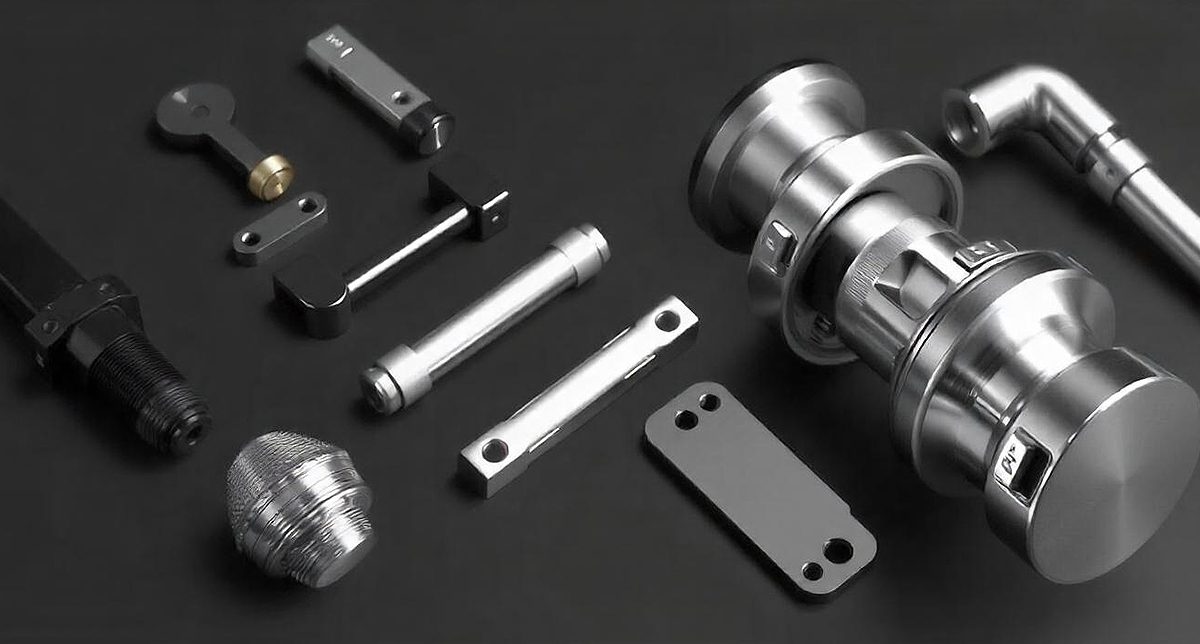
What are the Door lock Components?
Ever wondered what's actually happening inside your door lock when you turn that key? Most of us use our locks dozens of times a day without giving them a second thought, until something goes wrong. Whether you're curious about how that deadbolt actually works, trying to figure out why your key is getting sticky, or wondering if it's time to upgrade your home security, understanding your lock's components makes all the difference.

What You Need To Know Before Hiring A Locksmith
Don't just call the first one you find. Make sure they're properly licensed (in NSW, that's a Security Licence from the police), have good reviews, and provide clear written quotes. Beware of bargain prices that mysteriously increase once work begins, and never trust someone who shows up without proper ID or in an unmarked vehicle. A professional locksmith doesn't just solve your immediate problem—they protect your security, follow proper techniques, and carry insurance that keeps everyone protected. Do your homework now to avoid regrets later.
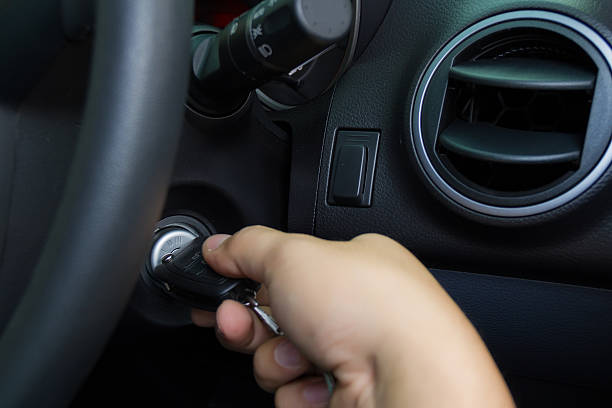
24 Most Common Car Key Problems and How to Solve Them
Car key problems always seem to happen at the worst possible moment, leaving you stranded when you're already running late or in an unfamiliar place. Whether your key snapped in half, your remote suddenly stopped working, or your car simply refuses to recognize the key you've been using for years, these frustrating issues can turn a normal day into a major headache.


