


Types of Locksmith Services
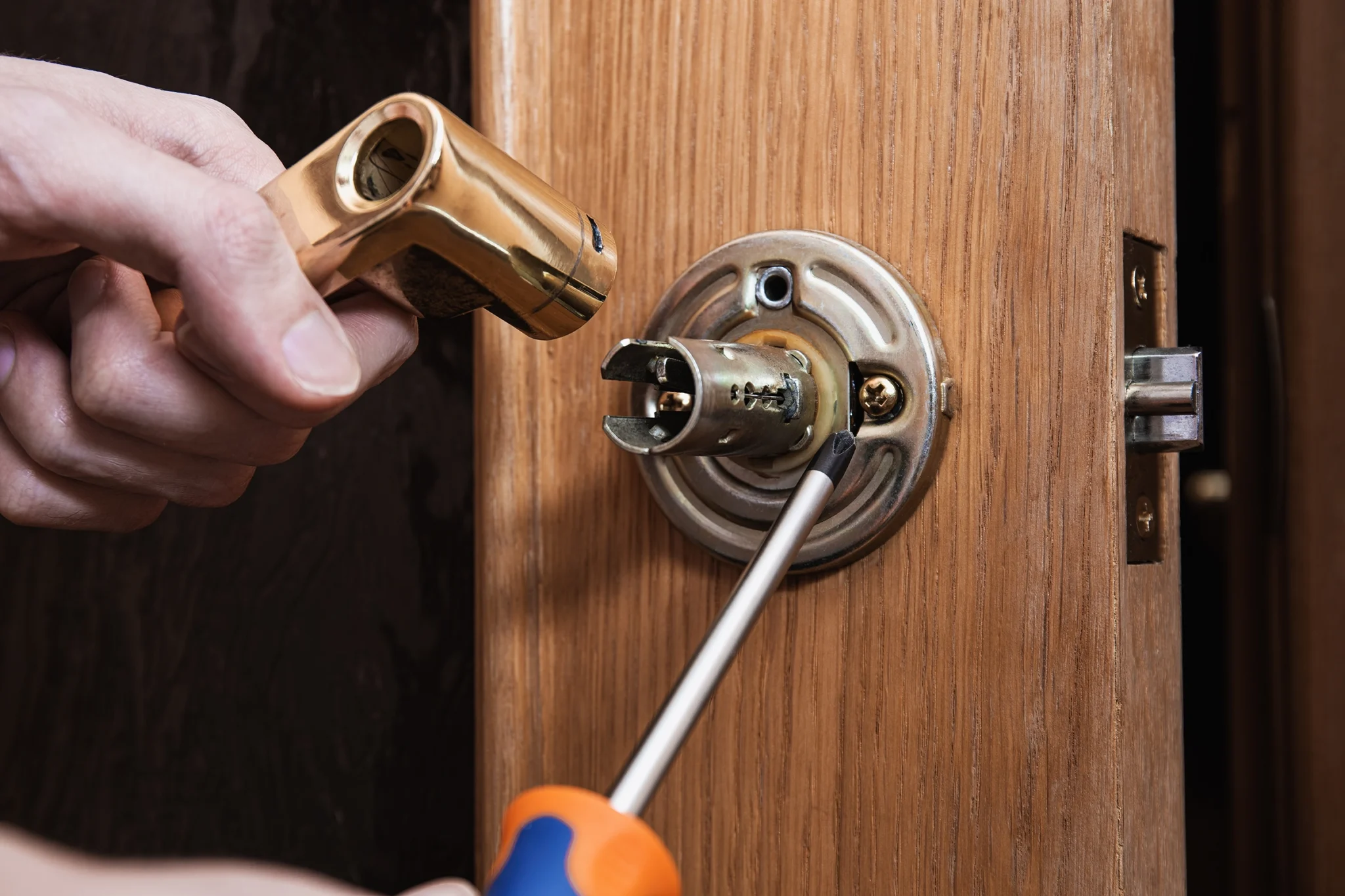
Locksmithing is all about looking after your locks, whether they're the old-school mechanical kind or fancy electronic ones. We install them, fix them, and we're there for you in a pinch. We've put together this guide to explain the main locksmith services, how they work, and when it's best to give a professional a call. This way, homeowners, business owners, and drivers can easily pick the right solution for their needs. You'll find clear descriptions of residential, commercial, automotive, emergency, safe and vault, and advanced security services. We'll also cover the benefits of common fixes like rekeying and access control, and how smart locks and biometrics change risk and convenience. We also match typical problems, like lost keys, compromised locks, outdated access hierarchies, and urgent lockouts, to practical locksmith responses and next steps. We'll even explain tricky terms like master key systems, transponder programming, panic bars, and safe combination changes as we go, so you'll feel confident about what's what.
What Are Residential Locksmith Services and How Do They Strengthen Home Security?
Residential locksmiths are the folks who make sure your home's entry points are super secure. They do this by installing, fixing, or tweaking all sorts of locks and access devices, from the traditional mechanical ones to the latest electronic gadgets. These services boost your home's physical strength, stop unauthorised key access, and add handy features like remote entry and activity logs. All of this helps lower the risk of a break-in and makes your daily life a bit easier. The main benefits include stronger hardware that deters forced entry, fast recovery after lost keys through rekeying, and better traceability when smart locks are set up correctly. Knowing what each service offers helps homeowners figure out which upgrades are best for their place, budget, and smart-home setup. It also gets them ready to ask the right questions when they're chatting with a locksmith.
Which Residential Lock Solutions Does Lost Key Locksmith Offer?
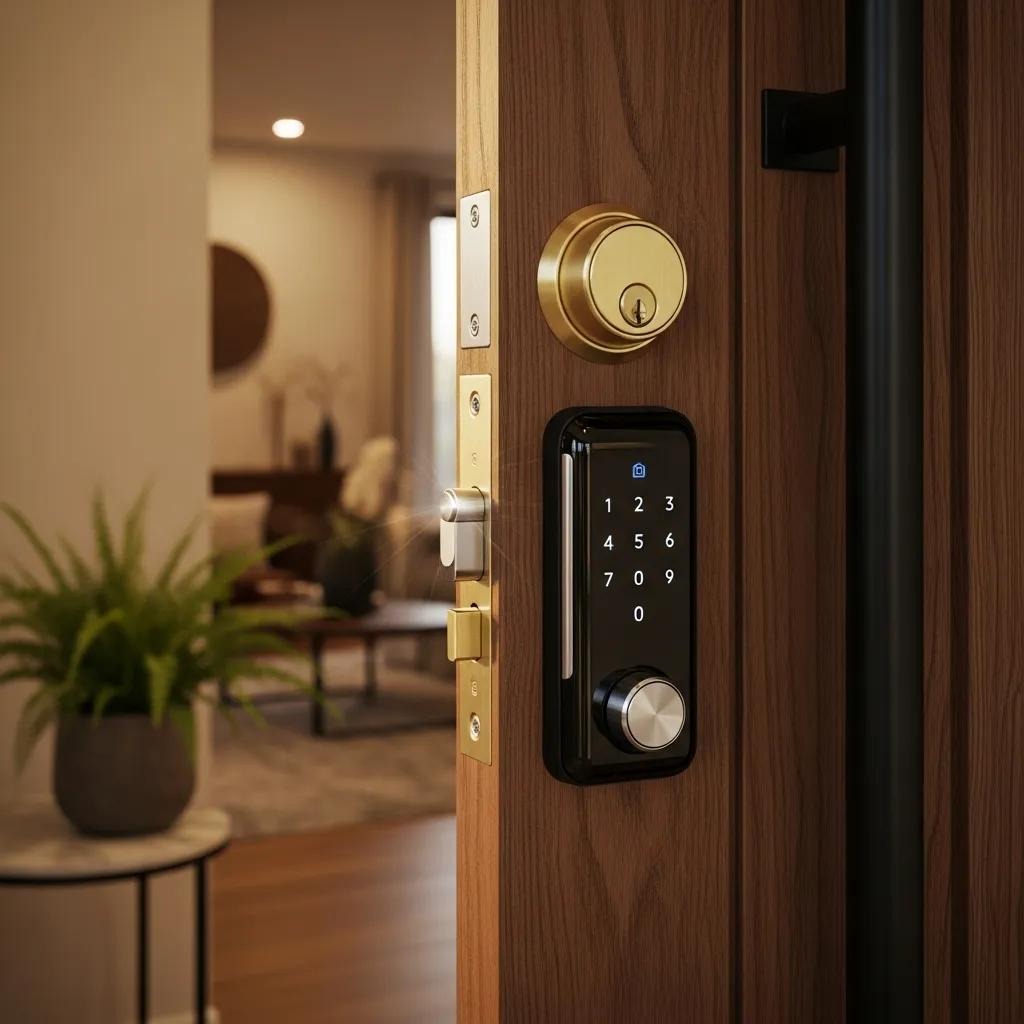
Residential options range from reinforced mechanical locks to connected smart-entry systems with remote control and usage logs. Upgrading to a quality deadbolt increases resistance to forced entry and is ideal for exterior doors. Smart locks add remote access, temporary codes, and home-automation integration for easier guest and service management. Rekeying is a quick, cost-effective way to invalidate lost or copied keys without replacing the hardware, a smart choice after a tenant change or misplaced key. Deadbolts, smart locks, keypad systems, and rekeying let homeowners balance cost, convenience, and security. Our locksmiths test every installation to make sure it fits perfectly with your existing doors and frames.
How Can Homeowners Benefit from Rekeying and Smart Lock Installations?
Rekeying alters a lock's internal pins so old keys no longer work. It's a fast, low-cost method to regain exclusive access after key loss or tenancy changes. It keeps existing hardware in place while restoring control and avoiding the cost of full replacement. Smart locks replace or augment cylinders with electronic modules that offer remote unlocking, temporary access codes, and activity logs to show who entered and when. Homeowners usually choose between rekeying and a full replacement by thinking about convenience, the features they want, and their long-term plans. Rekeying is quick and won't break the bank, while smart locks offer ongoing benefits and fit right into your smart home setup.
Different residential lock solutions compared for homeowner decisions:
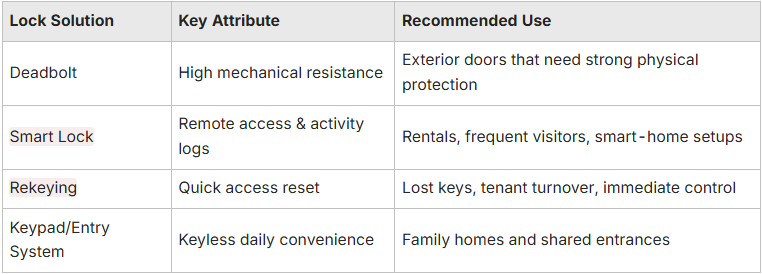
This comparison shows you the give-and-take between how strong a lock is, how convenient it is, and the cost, so you can pick what truly suits your lifestyle and safety needs.
Here at Lost Key Locksmith, we often rekey locks after a tenant moves out, pop in top-notch ANSI/BHMA-grade deadbolts on outside doors to make them super tough against forced entry, and set up smart lock modules to play nicely with popular home automation systems. Combining rekeying, mechanical upgrades, and electronic access can significantly improve security while keeping things convenient. When planning upgrades, start with your primary entries, rekey if you suspect compromise, and add smart features where they deliver real operational value.
What Commercial Locksmith Services Protect Your Business Assets?
Commercial locksmith services are designed to keep your business assets safe, manage who can access what, and meet all the tough durability and code requirements for busy places. We put in place access control plans that can grow with your business, heavy-duty hardware that can handle constant use, and life-safety devices that meet local exit rules. All of this helps cut down on theft risk and keeps you compliant with regulations. Businesses really benefit from master key systems that make managing who goes where a breeze, electronic access control that logs entries and restricts areas based on permissions, and panic bars that guarantee a safe exit in emergencies. A solid commercial security plan balances physical strength, the ability to track who's been where, and your daily workflows, so security actually helps your operations instead of making things harder.
What Access Control Systems and Master Key Solutions Are Available?
Access control can be anything from simple electronic locks and keycard systems to mobile apps that act as your key, or even biometric readers that link your identity directly to your access permissions. Master key systems set up a tiered access structure, meaning subkeys open specific doors, while a master key can open multiple areas. This is super handy for property managers and contractors. Electronic systems offer flexibility and audit trails, allowing administrators to instantly revoke access and review logs if something happens. Deciding between mechanical master keys and electronic credentials usually comes down to how much you need to track access, how easy it is to manage keys or cards, and how the system will fit in with your current security setup.
How Do Business Security Audits and Panic Bar Installations Improve Safety?
Security audits involve checking all your entry points, looking at the quality of your locks, analysing who goes where, and highlighting risks like master keys that aren't properly managed or exit hardware that isn't up to scratch. From that assessment, we figure out the most important actions, like upgrading locks, adding access control, or installing panic bars, to cut down on both security and life-safety risks. Panic bars make sure everyone can get out safely during emergencies and help you meet building and fire codes, as they let doors open from the inside without needing keys. Regular checks and maintenance for panic bars and access systems keep you compliant and reduce any headaches from faulty exit devices.
Commercial access options compared for planning decisions:
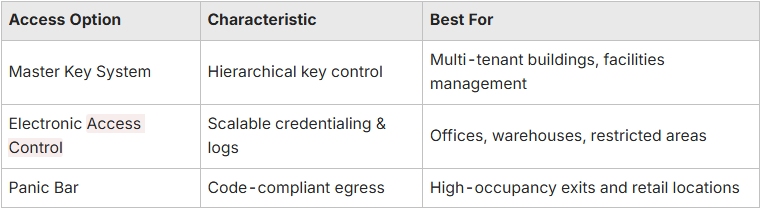
After an audit, Lost Key Locksmith can set up master-key systems and follow up on access control to fix any weaknesses the audit uncovers. Practical steps include updating key schedules, upgrading exit hardware, and setting up electronic credentials. These actions improve operational control and traceability if something goes wrong, all while cutting down on unauthorised access.
How Do Automotive Locksmith Services Solve Vehicle Lock and Key Issues?
Automotive locksmiths are the go-to folks for car lockouts, lost or broken keys, transponder programming, and ignition problems. They use special diagnostic tools and programming gear to get you back into your car and get it running again safely. These services involve matching key hardware and electronic credentials to your vehicle's immobiliser and ignition, programming transponder chips, or replacing fobs so your car recognises the right keys. Quick, skilled automotive locksmith work often means you can avoid dealer delays and expensive replacements, as we can do key duplication and programming right there on the spot. Knowing what common fixes are available helps drivers pick safe, efficient ways to get back into their car while keeping its anti-theft protections intact.
What Expertise Does Lost Key Locksmith Provide in Car Key Programming and Replacement?
Our automotive locksmith handles on-site key programming, transponder replacement, and key fob troubleshooting. We've got mobile equipment that pairs new keys directly to your vehicle's immobiliser. Our locksmiths figure out the key type, whether it's a blade, transponder, or smart fob, verify ownership, and then program the credentials to your vehicle's security system. Doing the work on-site often means you avoid long waits at the dealership and gets your remote and ignition working again without needing a tow. We really focus on secure verification, checking compatibility, and thorough testing to make sure new keys work reliably and your anti-theft systems stay perfectly intact.
How Are Vehicle Lockouts and Ignition Repairs Handled Efficiently?
We sort out lockouts using non-destructive entry techniques that protect your weather seals and locking mechanisms. We use slim tools and special unlocking gear designed for modern vehicles. If you've got a broken key or an electrical fault with your ignition, our locksmiths run diagnostics to figure out if it's mechanical wear, a worn key profile, or an immobiliser problem. Then, they'll recommend either a repair or a cylinder replacement. Whenever we can, we combine getting you in, cutting a new key, and programming it all into one visit to get you back on the road pronto. A few preventative tips, like keeping a spare key in a safe spot and checking your fob batteries now and then, can really cut down the chance of future emergencies.
Common automotive services and issues summarised:
- Key duplication, transponder programming, fob battery/module troubleshooting, and ignition diagnostics are typical tasks.
- Secure verification, diagnostics, and careful programming protect vehicle ownership.
- Proactive steps like storing a spare and monitoring fob function cut down on emergency calls.
Different automotive key solutions compared for planning:
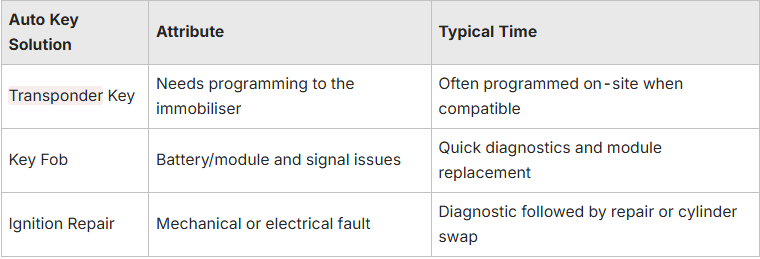
Our automotive practice focuses on mobile diagnostics and secure programming to restore mobility with minimal downtime. Locksmiths guide you through verification, perform work on-site when possible, and test all functions before they leave. It's practical, secure service that gets drivers moving again.
Why Choose Emergency Locksmith Services for 24/7 Rapid Response?
Emergency locksmith services are there for those urgent situations when you need immediate access, a lock repaired, or your property secured outside of regular business hours. These responses follow strict protocols to protect people and property. We verify identity, use the least destructive entry method possible, and secure or repair locks quickly to reduce exposure to weather, theft, or safety hazards. A professional emergency response means you get trained locksmiths, the right non-destructive tools, and advice on both short-term and long-term fixes to stop the same thing from happening again. Knowing when to call and what information to give helps us dispatch help faster, leading to safer, quicker outcomes.
When to call an emergency locksmith: typical high-priority scenarios:
- Child or pet locked inside: We need to get in straight away to prevent any harm.
- Vehicle or home lockout in unsafe conditions: This is when safety or exposure is a real worry.
- Broken key or snapped exterior lock: When you can't secure or open your doors.
- Compromised locks after a break-in or attempt: To secure the property and keep any evidence safe.
These situations need a fast response. Waiting for a standard appointment just increases the risk. After you call, give us a clear location, a quick rundown of the problem, and mention any occupants or hazards so our dispatch team can prioritise help.
What Situations Require Immediate Lockout Assistance?
Immediate assistance is a must when delays could create safety or health risks. For example, if a child or pet is stuck inside a vehicle or home, or if people inside are threatened by the weather. High-priority incidents also cover places that are unsafe at night, or where a dodgy lock means ongoing unauthorised access. Less urgent lockouts, like misplaced keys when you have safe alternative access, can usually wait for a routine appointment. Before you call, just check if anyone is in immediate danger or if there's a safe secondary way in. This helps our emergency locksmiths figure out the urgency correctly.
How Does Lost Key Locksmith Ensure Fast and Reliable Emergency Support?
Our emergency process focuses on quick verification, getting help to you fast, and trained on-site procedures to get you back in with minimal damage. When you call, we confirm your location and ownership, then send out a mobile locksmith equipped with non-destructive tools and replacement key options, if available. On site, our locksmiths verify your identity, choose the best entry method, get the job done, and test the locks, all while keeping you in the loop. Our structured intake, mobile gear, and locksmith training allow us to balance speed with legal and safety checks. We'll also recommend follow-up steps to stop the same problem from cropping up again.
What Specialised Services Do Safe and Vault Locksmiths Provide?
Safe and vault specialists are the experts who open locked safes, fix their locking mechanisms, change combinations, and install or even move safes to protect your valuables and important records. These jobs involve special tools and diagnostics that aim for non-destructive opening whenever possible. Controlled destructive methods are only used when absolutely necessary to limit any extra damage. Professional safe work includes documented procedures, recommendations for lock repair or rekeying, and advice on anchoring and placement to cut down on theft risk. For owners of high-value items, certified practices and secure handling ensure all legal and security standards are maintained during any work.
How Are Safes Opened, Repaired, and Secured Professionally?
Opening a safe starts with figuring out what kind of safe it is, whether it's a mechanical dial, electronic keypad, or a built-in vault, and then working out if a non-destructive method will do the trick. Non-destructive techniques are always preferred to keep the lock intact. If those aren't possible, controlled destructive methods are used, but only with proper documentation and prior approval. Repairs often involve replacing the lock, lubricating the boltwork, and recalibrating electronic modules, followed by testing to confirm everything's working reliably. After service, we recommend re-anchoring, changing combinations, and setting up maintenance schedules to keep your safe secure for the long haul.
What Are the Benefits of Combination Changes and Gun Safe Installations?
Changing a combination takes away access from anyone who previously knew it, and reduces risk after a loss, staff changes, or if you suspect it's been compromised. It's a cost-effective way to get back control without having to move the safe. For gun safes, professional installation focuses on secure anchoring to stop theft, correct placement to meet legal and safety rules, and proper internal setup to protect both firearms and children. Combination changes and professional installs come with documentation and user instructions to cut down on accidental lockouts and ensure safe operation. Regular combination updates and inspections help safes work reliably for years to come.
How Do Advanced Security Systems Integrate with Locksmith Services?
Advanced security systems bring together traditional locksmithing with electronic access control, smart locks, and biometric readers. This creates a unified, trackable protection system for all your doors, gates, and secure areas. Integration starts with an assessment, choosing compatible bits and pieces like smart-lock modules, biometric scanners, and access-control panels, then professional installation and testing to make sure everything talks to each other and records access events reliably. The benefits include centralised management of who can access what, audit trails for investigations, specific permissions for each user, and the ability to scale from just one door to controlling an entire enterprise. Knowing the steps involved and the trade-offs helps homeowners and organisations plan upgrades that boost security without making things harder to use.
What Are the Advantages of Smart Locks and Biometric Access Control?
Smart locks offer remote access, temporary entry codes, and activity logs, which really boost convenience and accountability for homes and small businesses. Biometric access, like fingerprint or facial recognition, links access to a person's unique features, which cuts down on relying on keys or cards that can be passed around. Both improve how well you can track access and reduce the hassle of managing keys. However, you need to consider door compatibility, biometric privacy, and network security. When picking systems, always check compatibility, encryption standards, power and backup options, and how well the vendor supports updates.
How Can Security Upgrades Improve Residential and Commercial Protection?
Effective upgrades usually follow a staged approach: first, fix any weak physical points like locks and strike plates, then add access control where tracking and quick revocation are important, and finally, consider biometric or fully integrated systems for high-security areas. This step-by-step approach balances the cost with the security impact. Upgrades can cut down on theft losses, lower your insurance risk, and simplify operations through centralised access management and fewer rekeys when staff change. Prioritise your most important entry points and busy doors first, then look at secondary entries and internal security. Ongoing maintenance and audits, such as firmware updates, lock servicing, and managing access credentials, keep your upgrades working exactly as they should.
This guide has laid out the main types of locksmith services, explained how each one works, and given you practical tips for homeowners, businesses, and drivers to make informed decisions. By combining smart mechanical upgrades, electronic access control, and reliable emergency protocols, you can build a security plan that balances deterring intruders, convenience, and traceability, all while ensuring a fast response and dependable maintenance.
Read More

What to know about knob locks
Knob locks are those everyday round door handles with the lock built right inside that you see everywhere. They're perfect for interior doors where you mainly want privacy—like bathrooms and bedrooms—rather than serious security. The mechanism is beautifully simple: turn the knob, and it pulls back a spring-loaded latch so you can open the door.
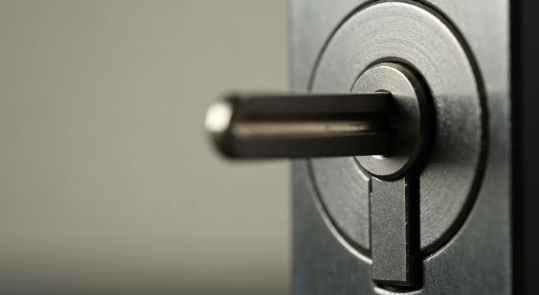
How to Unlock a Door with a Bump Key
Most homeowners have no idea that their front door lock can be bypassed in seconds using a simple tool that costs less than five dollars. Bump keys represent one of the most overlooked security vulnerabilities in residential properties, yet they can defeat the majority of standard pin tumbler locks with minimal skill or noise.
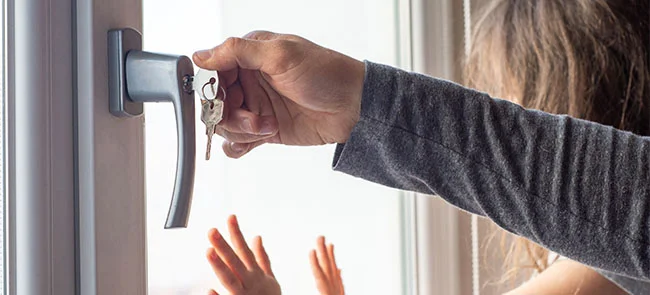
What to know about Door security and how to improve it
Your front door might look secure, but if a burglar can get through it in just seconds, you've got a problem bigger than you realize. Most of us never think about door security until something goes wrong, but here's a wake-up call: about 60% of break-ins in Australia happen through doors, and burglars usually give up after just two minutes if your security makes their job too difficult. The difference between being a victim and being passed over often comes down to having the right combination of locks, reinforcement, and deterrents working together.


