


What Does a Locksmith Do?
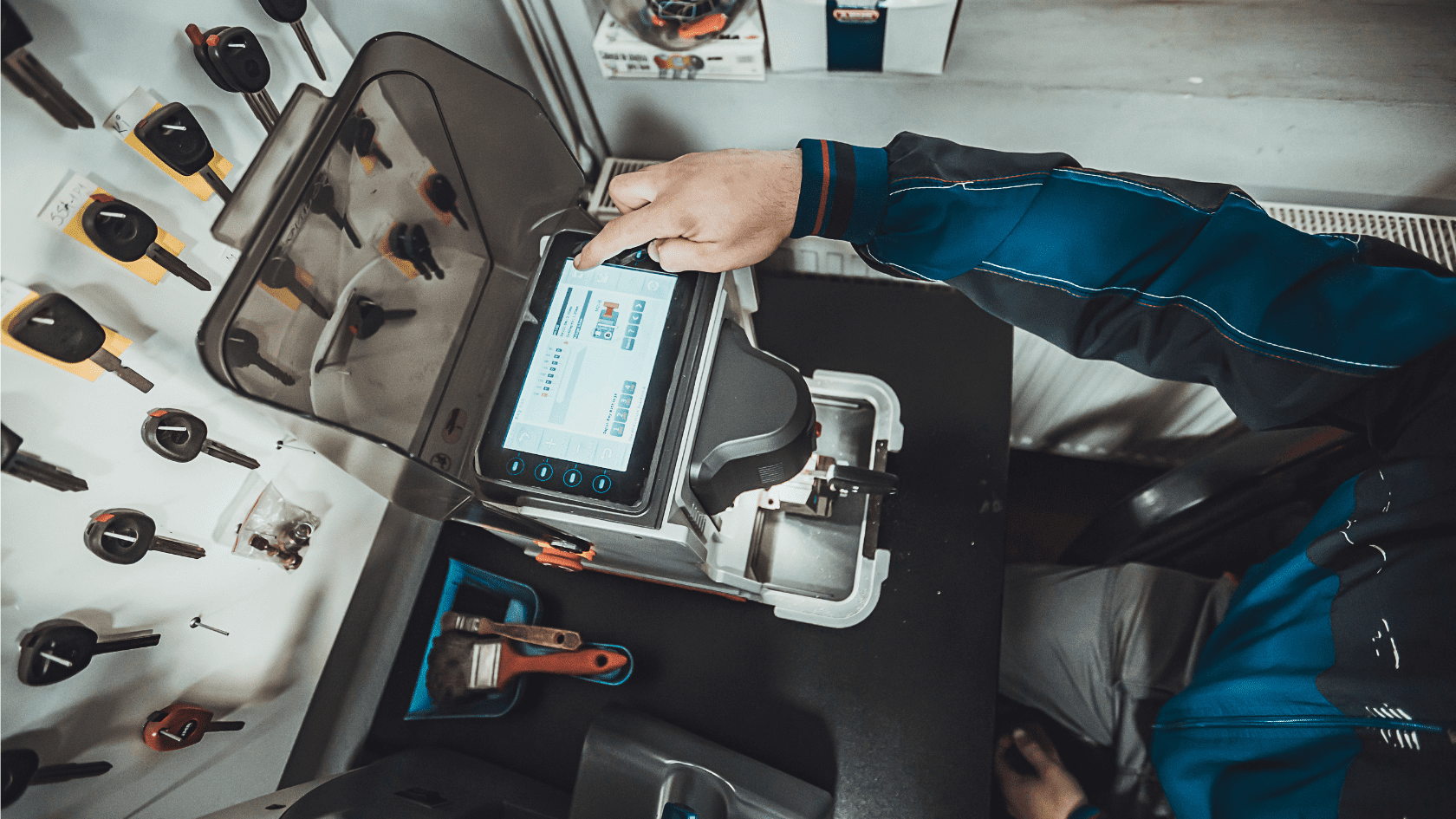
A locksmith is a trained specialist who designs, installs, services, and repairs mechanical and electronic locking systems to keep people, property, and belongings safe. In this guide you’ll learn what locksmiths do across residential, commercial, automotive, and emergency scenarios, how modern security tech works with traditional locks, and when it’s best to call a pro. At Lost Key Locksmith we focus on clear explanations, practical problem solving, and full-service coverage so you know what to expect. Many people face sudden lockouts, must choose between rekeying or replacing hardware, or have questions about smart locks and access control. This article explains common mechanisms, typical workflows, and decision points that reduce uncertainty. We'll map out the main service categories, delve into automotive and commercial specialties, explain what to expect from emergency responses, and compare advanced options like smart locks, biometrics, and CCTV integration. Read on to identify the right locksmith task for your situation and how sensible choices about keys, locks, and systems improve security.
What Are the Main Types of Locksmith Services Offered?
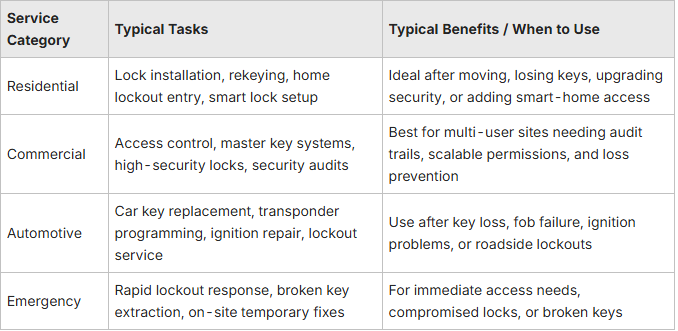
Locksmiths offer a range of services grouped into four core areas: residential, commercial, automotive, and emergency work. Each area tackles different security needs through installation, repair, and access solutions. Locksmiths use mechanical and electronic techniques, such as lock installation, rekeying, key cutting, and access-control setup, to prevent unauthorised entry, restore access, and strengthen protection. The outcome is practical: fewer break-ins, faster resolution of lock failures, and more flexible access management for daily use.
The table below gives a quick comparison so you can see when each service is appropriate and what benefits to expect.
Which Residential Locksmith Duties Protect Your Home?

Residential locksmith services include non-destructive entry during lockouts, deadbolt and strike-plate installation, rekeying when keys are lost or tenants change, and smart-lock integration for remote access and temporary codes.
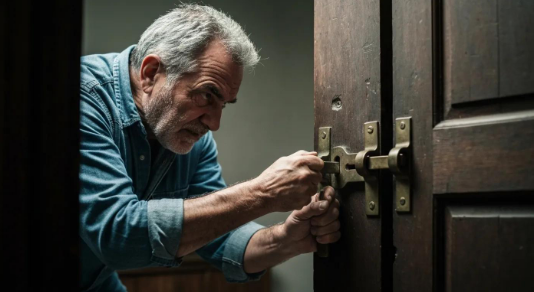
Non-destructive entry focuses on getting you back inside with minimal damage by using lock picks, bump-resistant techniques, or approved bypass methods that preserve hardware and warranties.
Rekeying changes the internal pin configuration so the existing lock accepts new keys without replacing the entire unit. It's a cost-effective security reset after lost keys or tenancy changes.
Smart-lock integration gives remote control and temporary access codes, pairing mechanical locks with electronic control. It requires compatibility checks and ongoing attention to battery life and network security.
Knowing these residential duties helps homeowners choose between repair, rekeying, or full replacement based on risk, budget, and desired features.
How Does Lost Key Locksmith Provide Commercial Locksmith Solutions?
Commercial locksmith services are built around scalable access control, robust locking hardware, and procedures that support business operations and loss prevention. Companies typically need layered security: high-security cylinders on exterior doors, electronic access for staff movement, and regular audits to maintain key control. Master-key hierarchies and access logs improve efficiency while limiting entry to sensitive areas; when done right, they reduce key proliferation and simplify maintenance. Lost Key Locksmith delivers these solutions with straightforward recommendations and reliable installation that align with your operational policies and security goals.
What Access Control Systems Secure Commercial Properties?
Commercial access-control options range from simple keypads or card readers to mobile credentials and biometric scanners, each balancing convenience, auditability, and installation effort. Keypad and card systems are easy to manage and cost-effective for small and mid-size sites. Mobile credentials and biometrics add convenience and reduce physical-key risks but bring integration and privacy considerations. When tied into IT systems and CCTV, access control can provide centralised monitoring and audit trails that improve incident response and role-based permissions. Businesses should weigh scalability, administrative overhead, and the need for logs to meet compliance and oversight requirements.
How Do Master Key Systems Enhance Business Security?
A master key system establishes a controlled hierarchy: master keys open multiple locks while change keys open only individual locks. That reduces the number of keys managers carry and streamlines access. It supports tiered permissions for departments or contractors while keeping sensitive areas restricted. Proper implementation needs strict key-control policies, documentation, and rekeying when staff change to prevent unauthorised access. Combining master keying with physical or electronic access control balances convenience with protection, but it requires procedures for lost or stolen keys to limit exposure.
What Automotive Locksmith Services Does Lost Key Locksmith Specialise In?

Automotive locksmith services cover vehicle access and key systems: on-site lockouts, cut-and-program replacement keys, transponder and fob programming, and ignition repair or cylinder replacement when keys break or fail. Locksmiths identify the key type and vehicle system, whether it's mechanical, transponder-controlled, or a smart fob, then follow the right workflow to restore access without compromising security. The typical process includes ownership verification, vehicle identification via key or VIN, and the use of specialised tools to cut keys or program electronic credentials. These services aim to get you moving again quickly while avoiding security issues from improper programming or inaccurate cutting.
How Are Car Key Replacements and Transponder Programming Handled?
Replacing car keys and programming transponders is a step-by-step process: verify ownership and vehicle identity, identify the key or fob type, cut a physical key if needed, and program the transponder or fob using manufacturer-compatible tools or diagnostic interfaces. Many vehicles can be serviced on-site for convenience and speed; some newer or complex models may require shop-based equipment or dealer verification. Timelines vary with key complexity, but the priority is ensuring the new key communicates correctly with the vehicle’s immobiliser to prevent theft and ensure reliable starting. Proper programming prevents immobiliser errors and reduces the risk of duplicated keys failing in use.
What Solutions Are Available for Vehicle Lockouts and Ignition Repairs?
Vehicle lockout solutions favour non-destructive techniques such as lock-bypass tools, wedge-and-pull methods for door latches, and keyless-entry procedures to protect trim and hardware. When keys break inside locks or ignitions, locksmiths use extraction tools and controlled removal to pull fragments without harming the cylinder; if extraction fails, a cylinder or ignition assembly may be replaced. Ignition problems can result from worn tumblers, electrical faults, or immobiliser issues. A diagnosis determines whether repair, rekeying, or component replacement is needed. Choosing the least-invasive option preserves vehicle value and avoids further damage to wiring or door mechanisms.
When Should You Call Lost Key Locksmith for Emergency Lockout Assistance?
Emergency locksmith situations need fast access, minimal damage, and immediate security decisions. For example, when locks are compromised, keys break, or someone is locked out in an unsafe situation. Common emergencies include being locked out of a home or car, finding a broken key lodged in a lock, or discovering a door that won’t secure after a break-in. Call a professional when DIY attempts risk damage, when safety (including children or vulnerable people) is involved, or when electronic systems fail and require technical tools to restore access.
Use this short checklist to decide whether a situation is an emergency.
- Home or vehicle lockout with occupants inside or immediate safety concerns: If someone’s trapped or at risk, professional entry reduces danger and avoids damage.
- Broken key embedded in a lock or ignition: Fragmented keys jam mechanisms and need specialised extraction tools to prevent further harm.
- Compromised lock after forced entry or suspected tampering: A compromised lock should be secured and replaced to stop repeat unauthorised access.
These checklist items illustrate common emergency triggers and set expectations for urgent calls. In practice, emergency response prioritises safety first and restoration second. Lost Key Locksmith offers emergency availability for urgent lock and key issues so customers can get help when they need it most.
What Does 24/7 Emergency Locksmith Service Include?
Our 24/7 emergency service means rapid dispatch of a trained locksmith, an on-site assessment, non-destructive entry when possible, and temporary security measures such as a latch or replacement cylinder to keep occupants safe. The locksmith will determine whether a temporary fix is enough or if a permanent replacement or rekeying is required, and they’ll explain follow-up options to restore long-term security. During the response we verify identity and document the work to ensure transparency and accountability.
How Does Lost Key Locksmith Handle Broken Key Extraction and Urgent Repairs?
Broken key extraction uses precision tools like micro-extractors and pick sets to remove fragments while minimising damage, followed by inspection to see if rekeying or cylinder replacement is necessary. If parts can’t be fixed on-site, locksmiths install temporary security measures, for example a temporary cylinder or cover, until permanent components arrive. We always request proof of ownership, explain repair options and costs clearly, and outline next steps to restore full security. The job is documented and we leave customers with recommendations to prevent future issues.
How Do Advanced Security Systems Complement Traditional Locksmith Services?
Advanced security systems add electronic control, auditability, and remote monitoring to physical locks: smart locks, biometric entry, and CCTV integration layer digital capabilities over mechanical protection. These systems link mechanical components (locks, cylinders) with electronic controllers (access panels, smart modules) to provide logged access and quicker incident response. The combined approach increases deterrence, offers evidence after events, and allows finer-grained permissions, while adding maintenance and cybersecurity responsibilities that need ongoing attention.

What Are the Benefits of Smart Lock and Biometric Entry Installations?
Smart locks and biometric entry give clear advantages: remote management of access, time-limited credentials for guests or contractors, and audit trails that show who entered and when. Remote control lets property managers and homeowners grant or revoke access without rekeying, cutting administrative work and replacement costs. Biometrics removes the need for physical keys and reduces duplication risks, though it requires secure handling of templates and fallback options for failures. When choosing these technologies, weigh convenience and traceability against maintenance needs and cybersecurity, including firmware updates and secure credential storage.
These benefits naturally lead into how CCTV complements electronic locks for a layered security setup.
How Does CCTV Integration Enhance Overall Security?
CCTV adds visual evidence, supports incident investigation, and deters opportunistic crime. When linked to access control, camera clips can be tagged to access events so you can correlate credential use with on-camera activity. Storage and retention plans affect cost and bandwidth, and privacy and legal compliance must be considered, especially in shared or public areas. Properly integrated, CCTV and access control create a layered approach where physical locks, electronic credentials, and video work together to reduce risk and speed response.
What Key Duplication and Cutting Services Does Lost Key Locksmith Provide?
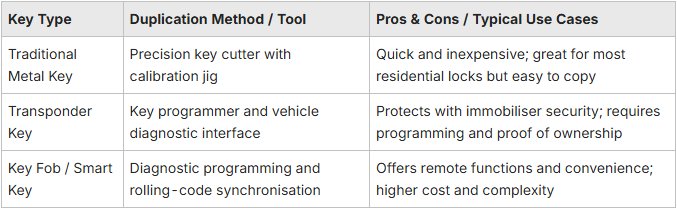
We offer precision cutting for traditional metal keys, transponder and fob programming for vehicle keys, and on-site testing to confirm fit and function before the job is finished. Accurate duplication depends on calibrated cutting machines and quality blanks; electronic keys require diagnostic programmers to write immobiliser or rolling-code data per vehicle protocols. Professional key cutting reduces lock wear and avoids miscuts that jam cylinders, and correct programming prevents immobiliser conflicts that could disable a vehicle.
How Are Traditional and Transponder Keys Duplicated?
Traditional keys are duplicated by measuring the original, calibrating the cutting machine to the blank profile, and cutting a key that’s tested for smooth operation; precision reduces wear and ensures reliable use. Transponder keys require identifying the vehicle’s immobiliser requirements, cutting a blank if needed, and programming the transponder chip to match the vehicle using manufacturer-compatible tools. Locksmiths always verify operation after duplication, testing door locks, ignition turns, and, for electronic keys, remote functions, to confirm the duplicate works as intended. Proof of ownership and vehicle identification are standard prerequisites for programming electronic keys to prevent unauthorised duplication.
What Are the Advantages of Professional Key Cutting Services?
Professional key cutting offers precision, warranty-backed workmanship, and access to programming tools for electronic keys, lowering the risk of lock damage and ensuring reliable operation. Trained locksmiths avoid common DIY errors like misaligned cuts, wrong blank selection, or incorrect programming that can make a key useless or damage a lock. Professionals perform on-site testing and immediate corrections, and they’ll recommend rekeying or restricted-key upgrades when appropriate to improve long-term security. Choosing a pro preserves lock integrity and saves time by preventing repeated attempts that can increase repair costs.
Read More
.jpeg)
Lock Maintenance Tips: New Year, New Security for Your Sydney Home
Enhance home security in Sydney for the New Year with our lock maintenance tips. Follow the Lost Key Locksmiths Blog.
Affordable Locksmith Services in Sydney
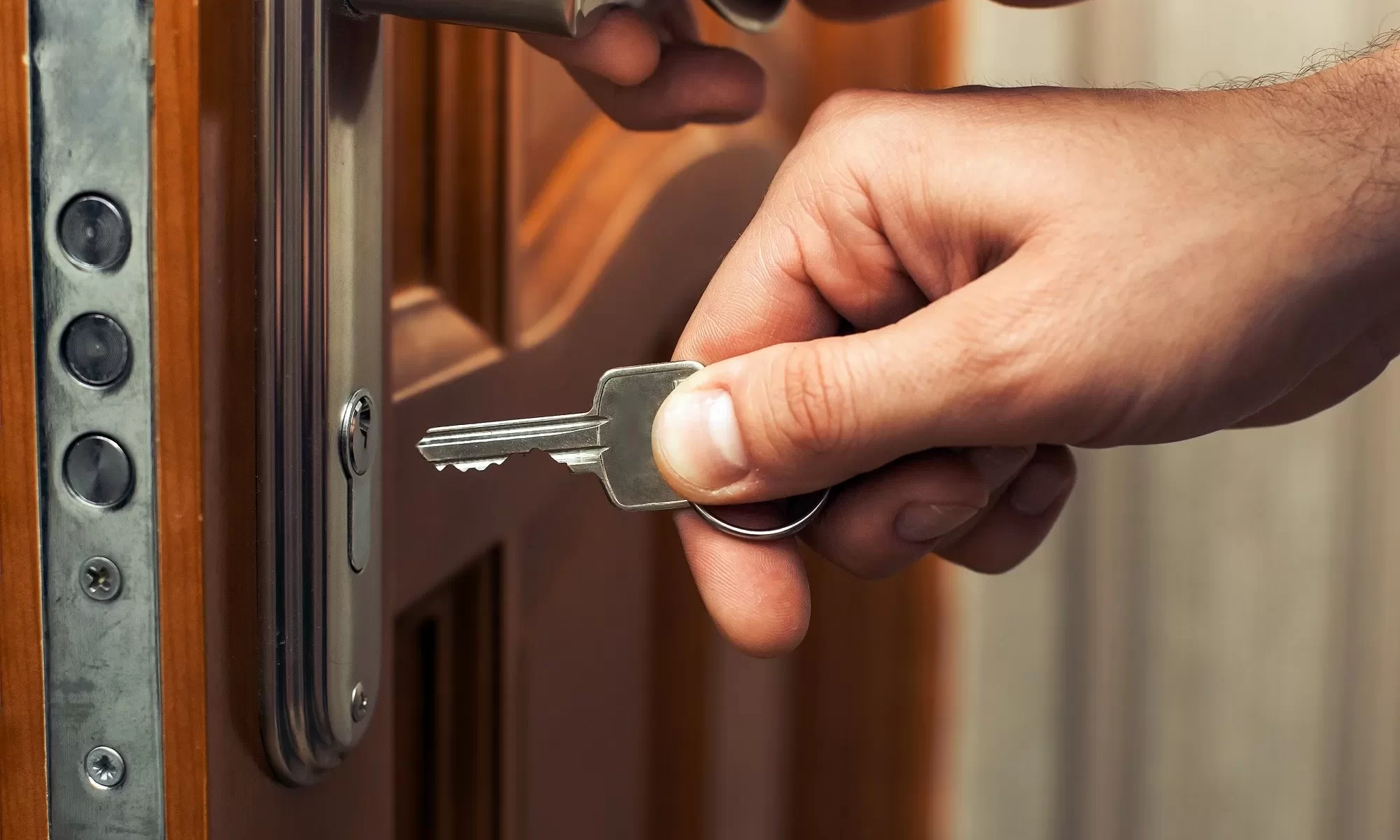
When you need a locksmith in Sydney, especially during an emergency, the last thing you want is to get ripped off. But the locksmith industry has a reputation problem for good reason. Too many people have horror stories about calling a number promising cheap rates only to face massive surprise charges once the locksmith arrives, or worse, dealing with unlicensed operators who damage locks and disappear without properly securing the property.
How to Open a Jammed Door
Few things are more frustrating than a door that simply refuses to budge. Whether you're locked inside a room, stuck outside your home, or dealing with a door that suddenly won't close properly, a jammed door can turn from a minor annoyance into a genuine emergency surprisingly fast.


