


Home Lock Replacement: Your Practical Guide to Safer Homes and Smart Entry Options
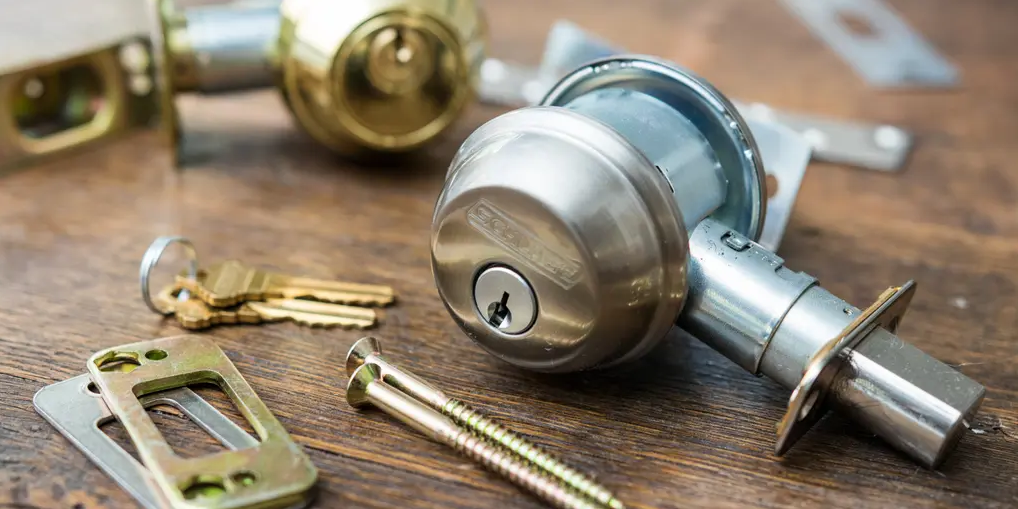
Replacing a lock means removing an old or compromised cylinder and fitting a more secure or better matched unit so your home, and everyone inside, stays safe. This guide explains why timely replacement matters for both physical and digital security, how the main lock types work, and what smart locks add (and cost) for everyday life. You will see the trade offs between heavy duty mechanical hardware and networked keyless systems: resistance to forced entry, convenience, and ongoing maintenance. We map common residential locks and where they fit, outline smart lock varieties and cyber risks, list clear signs you should replace a lock, and give a Sydney focused cost and DIY versus professional decision framework. Use the comparison tables and short checklists to decide quickly, then follow the practical steps to choose and install the right replacement for your home.
What Are the Most Common Types of Residential Door Locks?
Residential locks fall into a few familiar categories, each defined by how it works, how it is installed, and how well it resists attack. Mechanical options like deadbolts and mortice locks use hardened bolts and internal tumblers to stop forced entry. Euro profile cylinders and multi point systems suit UPVC and composite doors. The right choice depends on door construction, how often the door is used, and the security level you want. The table below compares typical locks by security rating, compatible doors, advantages, drawbacks and usual cost ranges so you can pick quickly and confidently.
The table below summarises common lock types and practical trade offs for residential replacements.
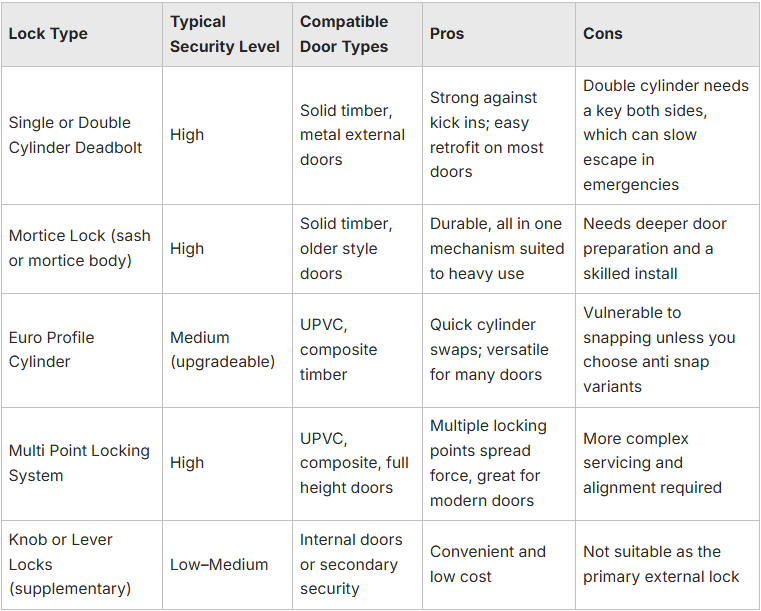
Matching your lock to the door and the likely threat will get you the best result. The sections that follow look closer at deadbolts, mortice bodies and euro cylinders so you understand how they protect your home.
How Do Deadbolt Locks Enhance Home Security?
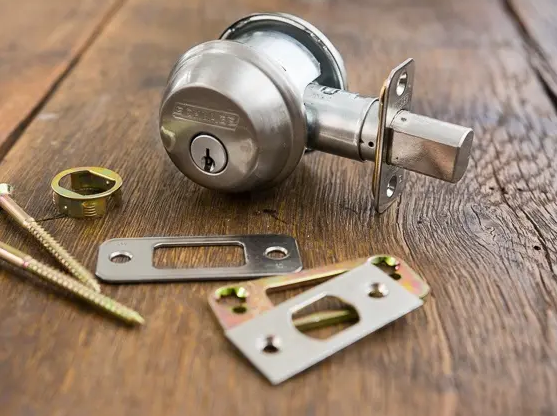
A deadbolt secures the door by driving a solid metal bolt into the frame, independent of the spring loaded latch. That separation is why deadbolts greatly improve resistance to forced entry. Single cylinder deadbolts use a key outside and a thumb turn inside; double cylinder models need a key on both sides, which reduces risk from broken glass but can make a quick exit harder. Choosing hardened steel bolts and reinforced strike plates improves resistance to kicking. Certified security grades show standardised strength levels. Correct installation depth, the right backset, and a reinforced frame are important. Sometimes a simple retrofit is enough, other times the frame needs strengthening too.
What Are the Features of Mortice and Euro Cylinder Locks?
Mortice locks fit into a pocket cut inside the door, combining latch and bolt in one body, sturdy and preferred for heavy or high use doors. Euro profile cylinders are modular pieces used in mortice or multi point systems on UPVC and composite doors; they make cylinder swaps simple but can be vulnerable to snapping, drilling or picking unless you choose anti snap, anti drill and anti pick models. Mitigations include security rated cylinders, reinforced escutcheons and pairing with a strong multi point mechanism. For many homeowners, swapping a cheap euro cylinder for an anti snap variant is a cost effective way to close a common vulnerability.
How Do Smart Locks and Keyless Entry Systems Improve Home Security?
Smart locks add electronic actuators, network connectivity and software controls to traditional hardware, enabling remote locking, temporary access codes and activity logs. They use Bluetooth, Wi-Fi, Z-Wave, Zigbee or proprietary links and let you control access via an app, keypad or biometrics. Smart locks can improve convenience and traceability, but they introduce new risks: weak wireless encryption, lax firmware updates and battery or network failures can affect reliability. When choosing a smart lock, prioritise strong encryption, a clear update policy and compatibility with your home automation setup so you get convenience without unnecessary risk.
Common connectivity and access models affect installation and long term security; the short list below summarises typical options and what they mean for you.
- Bluetooth locks: Good for close range app control and low power use, but you usually need to be nearby for admin tasks.
- Wi-Fi enabled locks: Let you control the lock from anywhere without a hub, but they depend on your home network security.
- Z-Wave or Zigbee locks: Work well with smart hubs and mesh networks, but need a compatible controller.
- Keypad and biometric locks: Remove keys and add PIN or fingerprint access, convenient, but you must manage codes and biometric fallbacks carefully.
The best smart lock for you depends on your network, how you use your home and your threat model. The next section compares keypad and biometric options in more detail.
What Are the Benefits of Keypad and Biometric Smart Locks?
Keypad locks let residents and visitors use PINs that are temporary or scheduled, cutting down on key duplication and giving you clear access records. Biometric locks use fingerprints or facial recognition for fast, contactless entry, handy for frequent users, but they must balance false rejects or accepts and privacy handling. Both remove physical keys and offer granular access control, yet they still rely on battery power and secure firmware to prevent bypass or spoofing. Best practice: issue unique temporary codes for contractors, rotate codes when needed, and prefer devices that store biometric templates locally and securely.
How Can Smart Locks Integrate with Home Automation Systems?
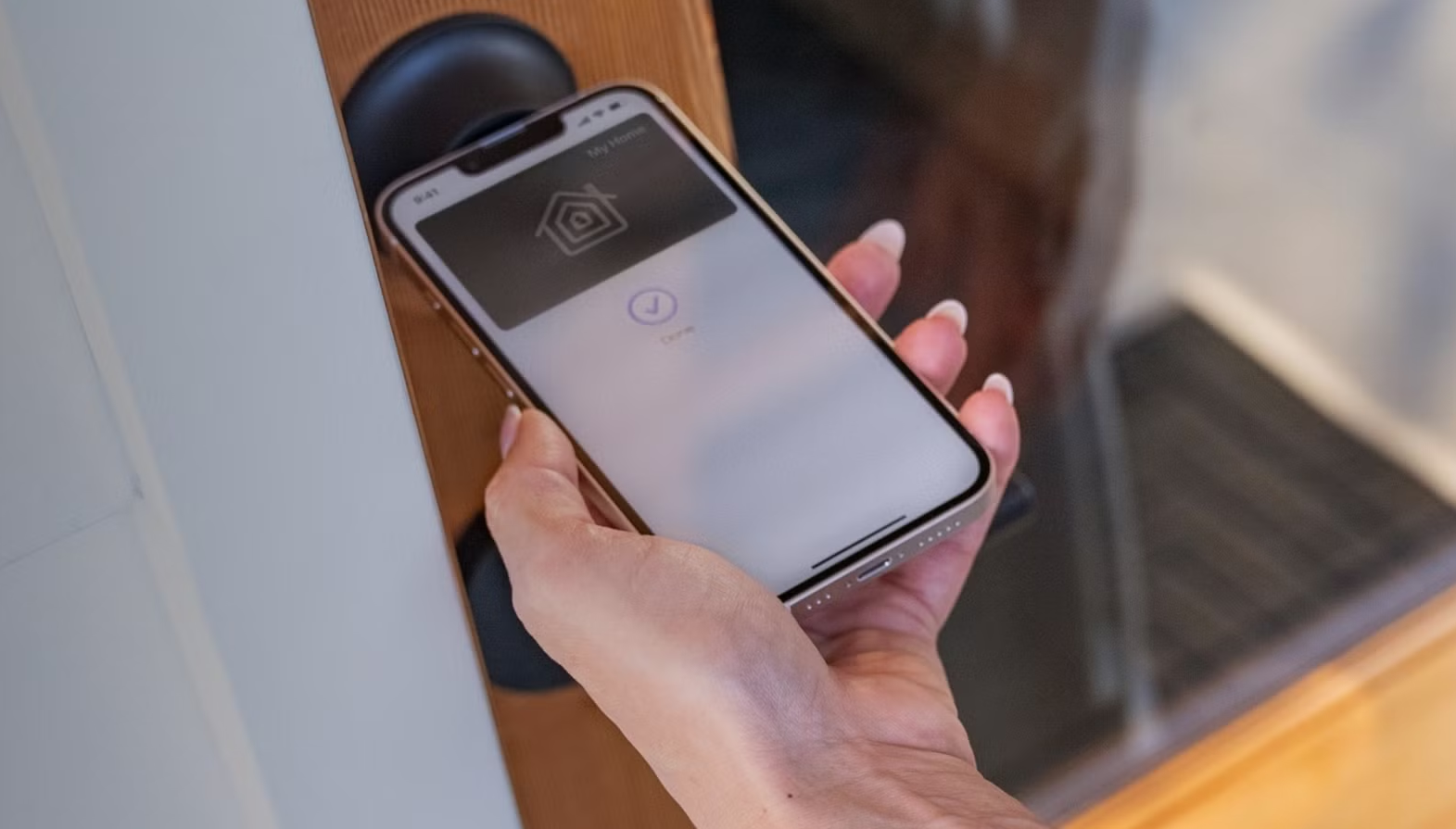
Smart locks plug into wider home automation setups through hubs or cloud services to enable features like auto locking when you leave, pairing with alarms or setting arrival routines that control lighting. Open protocols such as Z-Wave and Zigbee usually offer broader interoperability; proprietary cloud solutions can tie you to one vendor. To reduce risk, use network segmentation, enable two factor authentication and limit cloud permissions. Before you buy, note required hubs, check how firmware updates are delivered, and make sure a secure manual fallback remains available.
When Should You Replace Your Door Locks? Signs, Risks, and Security Benefits
Replace locks when mechanical wear, lost or compromised keys, or changes in occupancy create a real risk to access control. Common triggers are lost or stolen keys, visible tampering, a sticking or jamming lock, and moving into a previously occupied property. Acting quickly shortens the window for unauthorised entry. Leaving a vulnerable lock in place raises break in risk, can complicate insurance claims after an incident, and may let a failing cylinder damage the door. Replacement also lets you upgrade to better hardware, such as anti snap cylinders, hardened strike plates or smart systems with logging, which reduces future risk.
Watch for these clear signs that a replacement is needed; use this quick checklist to prioritise action.
- Lost or potentially stolen keys: Replace the lock straight away to prevent unauthorised access.
- Physical damage or tampering: Bent or scratched cylinders and strike plates are red flags for forced entry attempts.
- Difficulty operating the lock: A wobbly cylinder, jammed bolt or sticking key means mechanical wear or damage.
- Moving into a new property: Replace or rekey locks to control who can get in.
Addressing these issues quickly reduces risk and narrows the scope for future breaches. The paragraph below explains how professionals support urgent replacements in practice.
Lost Key Locksmiths is a Sydney based example that shows what homeowners should expect for fast residential lock replacement: 24/7 emergency response with mobile service, clear pricing and a stated $0 call out fee. Those service features help homeowners understand the logistics of prompt replacement and how a mobile locksmith can close security gaps quickly. A qualified mobile locksmith can assess damage, recommend the right hardware and complete secure replacements outside normal hours, which is important after a lost key or attempted break in.
What Are the Common Signs of Lock Damage or Wear?
Mechanical signs of wear include a stiff or hard turning key, a cylinder that wobbles, and visible rust or deformation on the bolt or strike plate. All signs point to the lock being less reliable and easier to attack. Smart locks show different symptoms: frequent low battery warnings, flaky wireless connections or unresponsive actuators can leave you locked out or unable to secure the home. Simple checks, like looking for excessive play in the cylinder, testing bolt movement and verifying keypad responses, reveal whether servicing or full replacement is needed. If failures are recurring or systemic, replacing with rated hardware reduces long term risk and operational headaches.
How Does Lock Replacement Prevent Security Breaches?
Replacing worn or vulnerable locks removes known attack vectors and restores protective features like hardened bolts, anti snap cylinders and correctly aligned strike plates, all of which make forced entry harder. For instance, replacing a vulnerable euro cylinder with an anti snap, anti drill model blocks a common entry method; upgrading a simple latch to a Grade rated deadbolt increases resistance to kicking and prying. Smart locks can add audit logs and time limited credentials to reduce insider risk. Together, these changes lower both the chance of a breach and the impact if one does occur.
How Much Does Residential Lock Replacement Cost in Sydney?
Costs vary by lock type, labour time, door work and whether the job is emergency or scheduled. Key cost drivers include parts, how difficult removal and installation are, and any door or frame repairs. A mortice body refit, multi point realignment or smart lock integration with a hub all increase time and parts. In Sydney, transparent quotes that separate parts and labour and explain emergency call out fees make it easier to compare offers and avoid surprises. The table below lists typical cost factors with estimated labour times and parts cost categories to help you budget without fixed quotes.
This table shows major cost drivers for lock replacement in a Sydney context and how they affect time and expense.
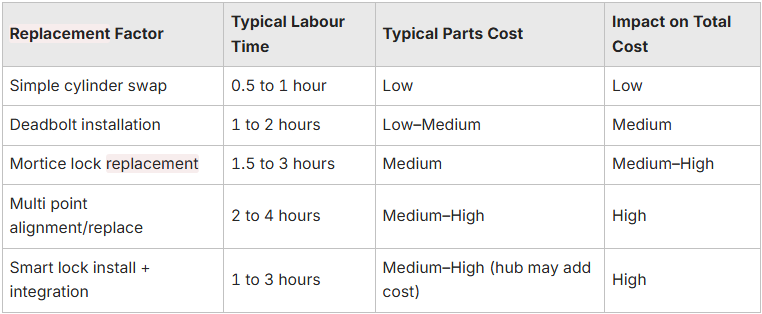
Knowing these factors helps you decide whether a job is a quick swap or a larger project that needs scheduling and possible frame work. Ask these top pricing questions before you book an installer.
- Do you separate parts and labour on the quote?
- Is there an emergency or after hours surcharge?
- Do replacement parts come with a warranty and is that itemised?
Lost Key Locksmiths’ public positioning, with 24/7 availability, a mobile service and a $0 call out fee, is an example of the transparent pricing customers should expect from reputable local providers. Highlighting a zero call out fee helps homeowners compare vendors on whether they charge extra for visits and whether quotes list parts and labour separately. Always request an itemised quote before work begins.
What Factors Influence the Cost of Lock Replacement?
Costs are driven by the lock type and rating, door material and condition, whether the frame needs reinforcement, and whether smart integration or programming is required. Emergency or out of hours calls usually cost more, while scheduled jobs can be more economical. Smart lock installs may add hubs, batteries or networking work; multi point systems need precise alignment and take longer. Ask for a clear breakdown and check whether testing, code programming or cleanup are included.
How Does Lost Key Locksmiths Offer Transparent and Affordable Pricing?
As a local example, Lost Key Locksmiths highlights mobile 24/7 response and a stated $0 call out fee, signalling that upfront visit fees won’t be added to replacement costs. Pairing availability and mobile service with no call out charge helps homeowners plan logistics: emergency attendance without an extra visit fee and an on site assessment that separates parts and labour. Use these expectations, such as itemised quotes, a clear call out policy and transparent emergency premiums, to compare providers and make an informed decision.
What Is the Lock Replacement Process and Should You DIY or Hire a Professional?
Professional lock replacement follows a straightforward workflow: inspection and assessment, product selection based on door and threat profile, precise installation and adjustment, then testing and handover. This reduces installation errors, ensures alignment and security grading, and includes post installation advice on maintenance and code management for smart locks. DIY can work for simple cylinder swaps on standard doors if you have the right tools and experience, but incorrect installation can weaken security and may void insurance or warranties. Hire a professional for complex mortice bodies, multi point systems, smart integrations or urgent replacements where speed and correctness matter.
Use the decision checklist below to choose DIY or professional help.
- Skill and tools available: Only DIY if you have the right tools and confidence.
- Complexity of the lock: Get a pro for mortice or multi point systems.
- Security importance: Professional installs are recommended for main external doors.
- Time and risk tolerance: Pros reduce the chance of misalignment and warranty issues.
Once you hire a professional, expect a standard set of steps during the visit; the section below outlines that typical workflow.
Lost Key Locksmiths describes its professional service as assessment, selection, installation, testing and handover, which is the same clear, methodical approach you should expect from a qualified mobile locksmith. A locksmith will diagnose issues on site, recommend suitable hardware, perform the install with any adjustments and then test and explain how the new system works. Their 24/7 mobile model means this process can happen outside standard hours when you need a fast response.
What Are the Steps Involved in Professional Lock Replacement?
A professional job usually follows these steps: inspect door and frame compatibility, measure and recommend products to match the threat profile, remove old hardware and make any door modifications, install and align the new lock precisely, then test and hand over with any programming completed. You should receive documentation or an itemised invoice that explains parts, labour and warranty details. Locksmiths may recommend frame reinforcement or weatherproofing if needed. This method lowers the chance of post install problems like sticking bolts or misaligned strike plates and ensures both mechanical and smart elements are set up securely.
What Are the Pros and Cons of DIY versus Professional Locksmith Services?
DIY can save money and be quick for simple tasks, but risks include poor fitting, voided warranties and reduced security, plus time spent fixing alignment or programming errors. Professionals bring experience, proper tools, warranty coverage and the ability to spot hidden issues such as frame weakness that can compromise a new installation. Professional work also helps with insurance claims and adds documented maintenance history for future owners. For main entrances, complex locks or when security matters most, hiring a professional usually makes sense.
Which Lock Upgrade Options Offer the Best Security and Convenience?
Good upgrades balance physical resistance, convenience and upkeep. Options range from mechanical high security hardware (Grade rated deadbolts, multi point systems, hardened cylinders) to smart locks (keypad, biometric, app) that add flexibility. Your decision should consider budget, door compatibility, desired features (remote access, audit logs) and ongoing maintenance like battery changes and firmware updates. The table below compares mechanical, smart and hybrid options across security, convenience, installation complexity and maintenance to help you choose the best fit for your home.
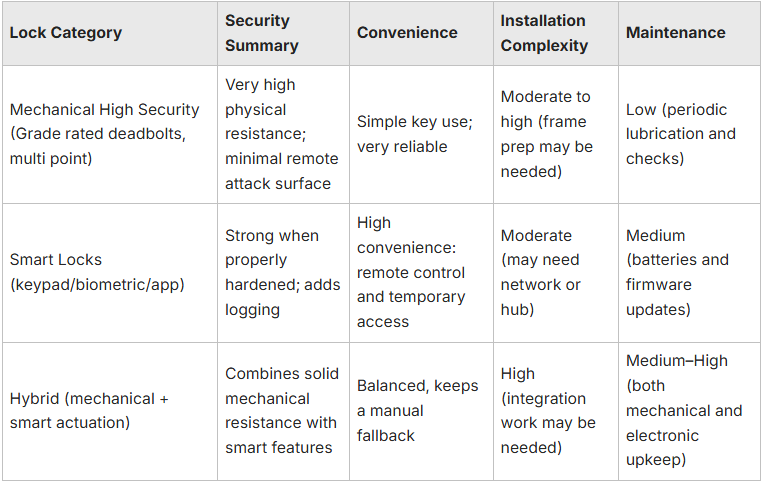
Mechanical upgrades keep the attack surface physical and predictable, while smart options add flexibility but need digital hardening and regular upkeep. Here are practical upgrade recommendations based on common homeowner goals.
- Maximise physical resistance: Fit Grade rated deadbolts and reinforce frames.
- Add controlled remote access: Choose smart locks with strong firmware and encryption.
- Balance both needs: Consider hybrid systems that retain a manual deadbolt fallback.
Local locksmiths increasingly install and integrate smart locks as part of residential services. Lost Key Locksmiths, for example, lists smart lock installation among their offerings, a sign that homeowners can find local expertise for both mechanical and connected upgrades. Pick a provider who understands physical hardware and the cybersecurity practices needed for networked devices.
How Do Mechanical Locks Compare to Smart Locks in Security and Cost?
Mechanical locks have a smaller ongoing attack surface because they have no networked components, making them resilient to online or radio frequency attacks and easy to maintain over long lifecycles. Smart locks add features like temporary codes, remote control and audit trails and can simplify key management, but they introduce firmware and network dependencies that demand secure setup and updates. When comparing costs, think lifecycle: mechanical locks need occasional maintenance, while smart locks add batteries, possible hub hardware and potential replacement due to obsolescence or security updates. For main external doors where reliability matters most, many homeowners choose high security mechanical hardware or hybrids that keep a manual fallback.
What Are the Top Smart Lock Brands and Technologies for 2025?
By 2025 the trends to watch are interoperability, stronger on device encryption, better biometric sensors and clearer update policies. Look for devices that support open protocols or have a proven update record. Important selection criteria include firmware update frequency, transparent security disclosures, hub compatibility and whether credential or biometric data is stored locally and safely. Best practice is to choose products with documented security reviews, vendor patch commitments and the option to operate locally rather than relying solely on the cloud. Focus on security posture and update policy over marketing claims.
Read More
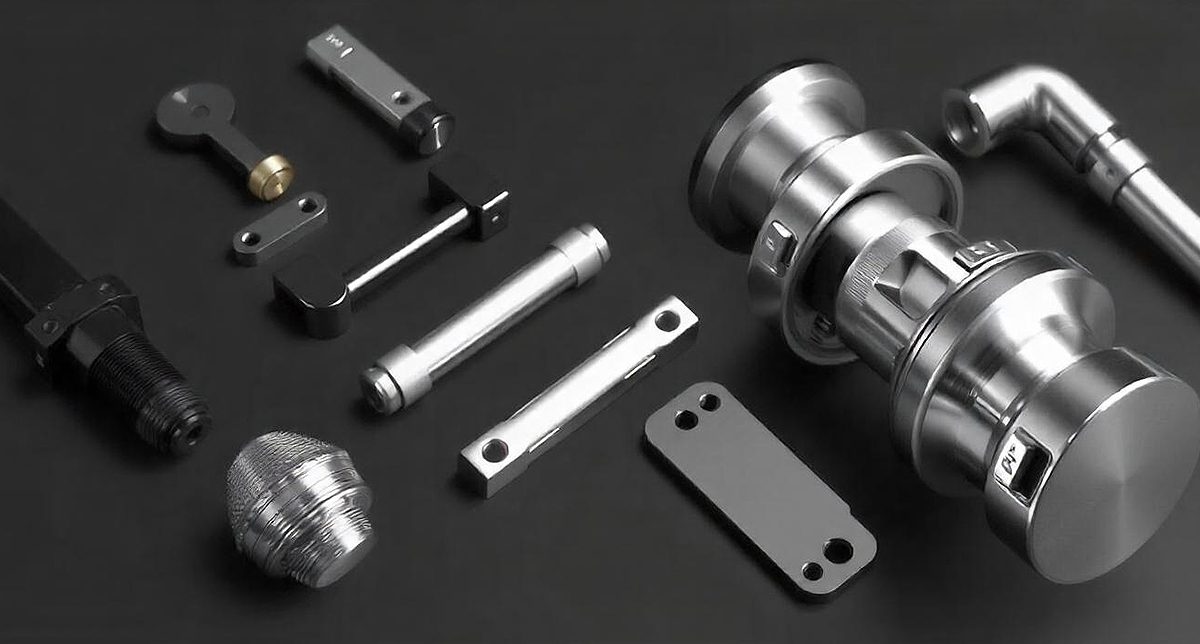
What are the Door lock Components?
Ever wondered what's actually happening inside your door lock when you turn that key? Most of us use our locks dozens of times a day without giving them a second thought, until something goes wrong. Whether you're curious about how that deadbolt actually works, trying to figure out why your key is getting sticky, or wondering if it's time to upgrade your home security, understanding your lock's components makes all the difference.
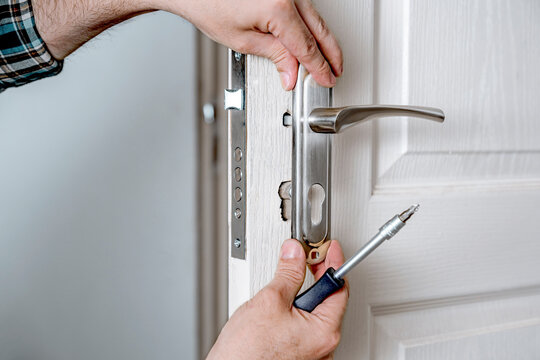
What is Home security and how to increase it?
Home security isn't just about having a lock on your door anymore. With house robbery rates dropping 22.9% in NSW when proper security systems are in place, it's clear that understanding and implementing the right protection makes a real difference for your family's safety.

Lost Your Car Keys? Advanced Locksmith Solutions for Modern Vehicles
Gone are the days when a simple key blank could solve a car lockout. Modern vehicles, particularly those manufactured after 1995, are equipped with sophisticated immobiliser systems.


